
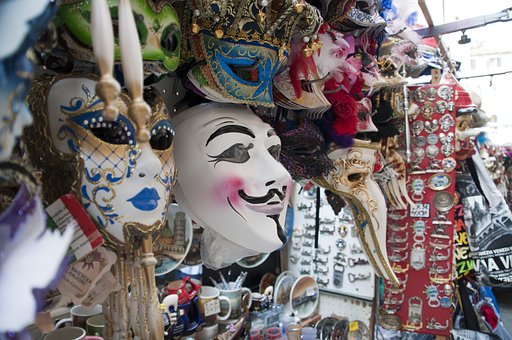
Карнавалът е селски фестивал, което датира от традиционните ритуали на зимния сезон. Експлозията на радост и използването на маската служи да се прогонят злите духове. Чрез маската човекът се оприличава на животното и му дава символична, времена власт над свещените животни. Обичаят изгаряне на кукла напомня примитивните жертвоприношения. Древните римляни са се отдавали на празненствата, които напомнят днешния карнавал, по време на „Сатурналии“, фестивали, посветени на бога Сатурн ( италийско божество на семена), които започват на 17 декември и продължават седем дни. Фестивалът започвал в Рим, с тържествено жертвоприношение, последвано от щедър публичен банкет. После хората се отдавали на различни празненства (хазарт, пиене, размяна на подаръци, повече или по-малко символично), които често завършвали с ексцесии. По време на тези празници ролите се сменяли, хората се обличали с дрехите на други. Така слугите били обслужвани от господарите, а слугите се отдавали на всякакви свободи! На всеки карнавал се избира цар на случаен принцип, който имал всякаква власт.
 The carnival è una festa contadina, che risale ai traditionali rites della stagione invernale. The explosion of joy and the use of the mask had the function of removing the evil spirits. La maschera, infatti, rendering l'uomo simile agli animali, gli dava un potere simbolico e temporaneo sugli animali sacri. L'usanza di bruciare un fantoccio rimiama i sacrifici primitivii. Gli antichi romani si abbandovano festeggiamenti, che rimamano il carnevale odierno, durante i "Saturnali", feste dedicated to the god Saturn (divinità italica delle sementi), che inizivano il dicembre 17 e si traevano per sette giorni. La festa veniva inaugurata a Roma, con un sacrificio solemne, seguito da un generoso banchetto pubblico. Seguivano, poi, festeggiamenti di vario genere (gioco d'azzardo, allegre bevute, scambio di doni più o meno simbolici), che spesso sfociavano in eccessi. Durante i Saturnali tutto era consentito, in particulare era in uso lo scambio dei ruoli, indossando gli abiti altrui; gli schiavi venivano, ad esempio, serviti dai liberti o dai padroni e potevano concedersi ogni libertà! Si estraeva a sorte una specie di re della festa, che aveva ogni potere.
With the advent of Christianity, carnival continued to be celebrated, but lost its magic and ritual. During the Middle Ages, the clergy tolerated rural festivals, even the most silly ones, such as the donkey festival and the feast of the Fools (folk festivals, featuring donkey races or, in the latter case, giving in to almost extravagances, reaching certain madness). Among the most popular entertainments were masquerade festivals. And a curious fact: while dancing the dance of burning, the King of France, Charles VI, was about to lose his life, disguised as a bear. The celebrants danced around the fire and failed to properly conceal the king, who caught fire during the dance. In the 15th and 16th centuries, public masquerades gained popularity and some traditions were renewed. In Italy, carnival was celebrated lavishly for centuries. We can still see remnants of this ancient celebration today during the Venice Carnival or the Viareggio Carnival.
 Con l'avvento del cristianesimo, il carnevale continuò ad essere celebrato, ma perse il suo contenuto magico e rituale. Durante il Medioevo, il clero tollerò le feste popolari, anche le più grossolane, come la festa dell'asino e la festa dei folli (feste popolari, charaterizzate da gare tra asini o, nel secondo caso, dalla celebrazioni di stravaganze, definite follie). Tra i divertimenti più diffusi, i balli in maschera erano i più amati. Una curiosità: danzando il ballo degli ardenti, il re di Francia, Carlo VI, stava per perdere la vita, travestito da orso. I partecipanti alla festa dovevano danzare intorno ad un fuoco ed il travestimento ingombrante del sovrano francese prese fuoco durante il ballo. Fu durante i secoli XV° e XVI°, che si diffusero le mascherate pubbliche, e si rinnovarono alcune tradizioni. In Italy the carnival has been sumptuously celebrated for centuries. Ancora oggi sono visibili alcuni tratti di quest'antica festa popolare, nel Carnevale di Venezia o nel Carnevale di Viareggio.
Esercizi di comprensione: Il Carnevale
1. Vero o Falso? (Вярно или Грешно)
- Il carnevale risale ai riti della stagione estiva.
- Vero
- Falso
- La funzione della maschera era quella di allontanare gli spiriti malefici.
- Vero
- Falso
- Durante i Saturnali romani, gli schiavi venivano serviti dai padroni.
- Vero
- Falso
- Con l’avvento del cristianesimo, il carnevale ha preso più valore magico.
- Vero
- Falso
- Il re di Francia Carlo VI stava per perdere la vita travestito da orso.
- Vero
- Falso
2. Scelta multipla (Избор на отговор)
- A quale dio antico erano dedicate le feste dei Saturnali?
- A) Giove
- B) Saturno
- C) Marte
- Quali erano i balli più amati e diffusi durante il Medioevo?
- A) I balli di gruppo
- B) I balli in maschera
- C) I balli reali
- In quali città italiane sono ancora oggi famosi i tratti di questa antica festa?
- A) Roma e Milano
- B) Venezia e Viareggio
- C) Torino e Napoli
3. Abbina le parole (Свържи думите с превода им)
- La maschera → __________________
- Il fantoccio → __________________
- I padroni → __________________
- Gli schiavi → __________________
- Un orso → __________________
© 2026 Iliana Dechkova