
Epiphany is one of the most ancient Christian holidays. This is the day when John the Baptist baptized Jesus Christ in the Jordan River. After the sacrament, people saw with their own eyes the Christian trinity of the Father (the voice), the Spirit (the dove perched on Christ's shoulder) and the Son (the earthly man) and began to believe. That is why the day is also called the Epiphany. With the baptism of water, the world becomes a safe place to live, because from Christmas to January 6, according to popular beliefs, there are so-called "dirty days", when evil creatures roam - goblins, ghouls, witches, etc.
Traditionally, early in the morning, before sunrise, girls and women go to collect "baptized" water. At a well or stream, they wash the household icon and the plowshare, and then wash their faces for health.
Other festive rituals are also performed in different regions. On Jordan's Day in the Middle Rhodopes, the custom of "haskane" is observed, which is expressed in the ritual bathing of young brides and grooms, as well as all engaged girls who meet Voditsi for the first time with a new social status. The bathing is carried out by men-"haskars" or "kpinchars". They throw the groom up three times, and then take him to the river or fountain to get him wet. However, the one who does not want to be wet must be bought off with a treat and money.
You can read more about folk holidays and customs in the collection
Folklore collection "Once upon a time - manners and worldview of the Bulgarians"
On the eve of Epiphany, around the city of Bitola, a festive singing of rings and bracelets takes place, in which young women who are about to get married participate. They decorate a gyum with greenery and place a veil on top of it. This custom is known as "tayani".
In Macedonia (Prilep region), St. John's Day, as well as the following day - St. John's Day, are called "Male" and "Female" vodici and are associated with the ritual "Vodičarki". Vodicarki are girls who are about to get married and who visit homes in groups, performing "vodicarski" songs, reminiscent of Christmas and Lazarus songs. They are also intended for each individual member of the family. Through them, women wish for longevity, health and well-being of the family.
 There are also customs where men dance a silent dance in the river or lake. They enter the water up to their waists, but without it covering their chests, so that their hearts don't stop, and they dance their men's dance without saying a word. It is believed that no matter how cold the water is, they will not get sick. The next day, women go to the spring or river and also dance a silent dance. However, they enter the cold water only up to their ankles, so that their wombs don't rupture and they remain barren. Then they pour water and silently carry it into their homes. This water is sacred and is sprinkled around the house for health on holidays, to drive away evil spirits, and if someone is sick, their forehead, eyes, and chest are washed and they are given a drink of the silent water.
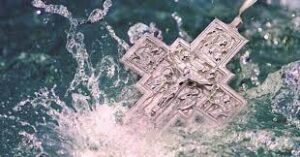 According to Christianity, this day is dedicated to the Baptism of Jesus Christ in the holy Jordan River and is considered one of the most solemn church holidays. It is also considered a day of enlightenment and light. The Orthodox canon marks it with a festive church rite - the blessing of water. After the baptism of water, the clergyman throws the cross into the sea or a river, and immediately after that the men descend, competing to pick it up. It is believed that the year will be fertile, and the people will be protected from diseases if, when immersed in water, the cross freezes.
© 2024 Iliana Dechkova