
Many fantastic creatures exist in the pre-Christian beliefs of the Bulgarians. They are either good or bad and have super natural powers. Even when Christianity penetrates deeply into the life of a Bulgarian, he does not give up his old beliefs, but somehow adapts them to Christian beliefs and traditions. More about supernatural beings in our folklore you can…

Ла Бефана и Епифания – La Befana e l’Epifania (с упражнения)
НА 6 януари в Италия празнуват Бефана. Il 6 gennaio in Itaia e’la festa della Befana. В края на календарната година празничният цикъл завършва на 6 януари – Богоявление, а народът казва, че след тази дата празниците си отиват. Терминът „Богоявление“ е от гръцки произход и означава „проявление“; използван е от християнската традиция, за да …
Прочети цялата публикация →„Ла Бефана и Епифания – La Befana e l’Epifania (с упражнения)“

Торино – Torino (с упражнения)
Торино е четвъртият по големина град в Италия, но третият по икономическа мощ. Разположен е в северозападната част на страната и е важен промишлен център, както и столица на региона Пиемонтe. Въпреки славата си на индустриален център на Италия през 20-ти век, Торино всъщност е един елегантен и очарователен град, с широки булеварди и площади, …

Неапол, Помпей, Болоня – Napoli, Pompei, Bologna ( с упражнения)
НЕАПОЛ и ПОМПЕЙ – NAPOLI e POMPEI Неапол е главен град и търговски, индустриален и туристически център на обл. Кампаня, с голямо пристанище и повече от един милион жители. Градът се намира в амфитеатър, с изглед към залива и очарова с специфичната си красота. Първоначално с гръцки произход, Неапол става владение на римската империя в …
Прочети цялата публикация →„Неапол, Помпей, Болоня – Napoli, Pompei, Bologna ( с упражнения)“
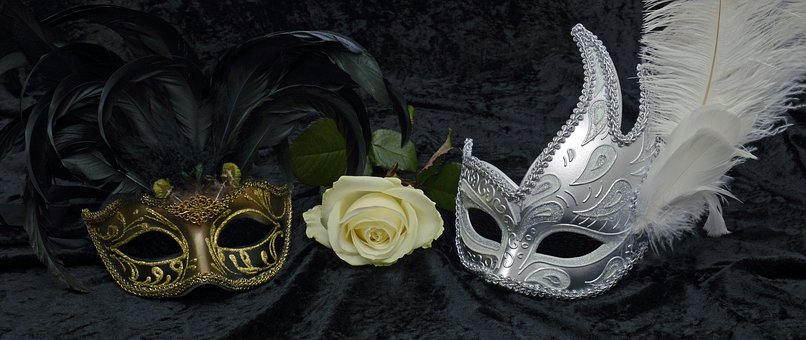
Комедия дел Арте – Commedia dell’Arte (с упражнения)
Commedia dell'arte (Italian for Commedia dell'arte, "professional comedy") is a theater genre that developed in Italy in the 16th century by traveling troupes. Its exact origins remain unclear, but elements of ancient Greek and early modern Roman comedies have been discovered. By the end of the 16th century, there were already theater companies in ...
Прочети цялата публикация →„Комедия дел Арте – Commedia dell’Arte (с упражнения)“
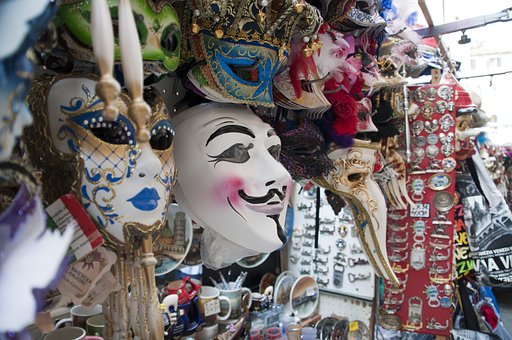
Карнавалът – Il Carnevale (с упражнения)
Carnival is a rural festival that dates back to the traditional rituals of the winter season. The explosion of joy and the use of the mask serves to drive away the evil spirits. Through the mask, man is likened to the animal and gives him symbolic, sometimes power over the sacred animals. The custom of burning a doll is reminiscent of primitive sacrifices. The ancient Romans indulged in celebrations,...
Прочети цялата публикация →„Карнавалът – Il Carnevale (с упражнения)“

Milan – Milano (with exercises)
МИЛАНО – MILANO Милано е основан от келтски племена около 600 г. пр. Хр. Когато римляните завладели града, го прекръстили на Медиолано – земята в средата. Благодарение на стратегическото си разположение – по средата на плодородната долина на река По, градът бързо се превърнал във важен търговски център в Римската империя. Днес Милано е вторият …

Folkloric regions in Bulgaria - Northern region
Our country is small in terms of territory, but it gathers seven folklore regions, each unique for itself with its own specific features in terms of clothing, music, songs and dances. The Northern folklore region covers the greater part of the Danube plain and the northern part of the Staroplaninska range. To the east it borders the lands of Dobruja, on...
Прочети цялата публикация →„Фолклорни области в България – Северняшка област“

Итало Калвино – Италия: история, изкуство и култура
Italo Calvino was an Italian poet and writer. He was born on October 15, 1923 in Santiago de Las Vegas, today part of Havana in Cuba. His parents are Italian agronomists. The family soon returned to Italy and he spent his childhood in Sanremo, where he also completed secondary education. The first few books that Calvino wrote were…
Прочети цялата публикация →„Итало Калвино – Италия: история, изкуство и култура“
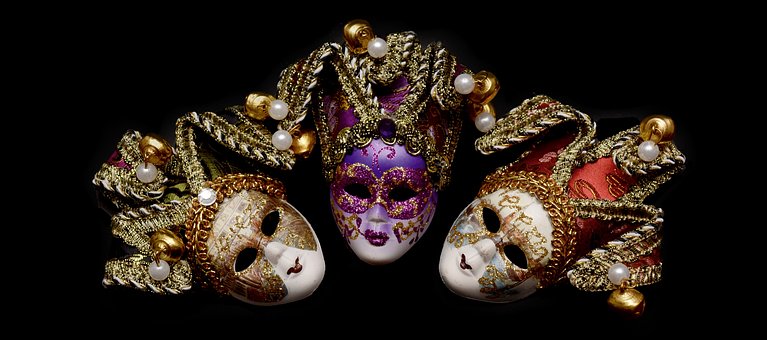
Персонажи в Комедия дел арте – Personaggi (с упражнения)
The comedy has typical characters, each of which is distinguished not only by its character and obligatory mask, but also by its clothing and dialect, unambiguously pointing to the origin of the character. Thus, for example: the lying servant Harlequino is from Bergamo; from there is the quarrelsome Brighella; the pretty maid Colombina is from Venice; whence comes the old merchant Pantalone; the cunning…
Прочети цялата публикация →„Персонажи в Комедия дел арте – Personaggi (с упражнения)“