Nestinarstvo - customs and symbolism

From "Once upon a time - manners and worldview of the Bulgarians" (see in the Shop) Nesting - the Bulgarian phenomenon The roots of this typical Bulgarian custom can be traced back to the times of paganism. The history of chimney making can be traced all the way back to the Thracians. Our ancient ancestors worshiped the Sun as a god and believed in immortality. Considers…

May 24 – Day of Bulgarian Literature and Culture

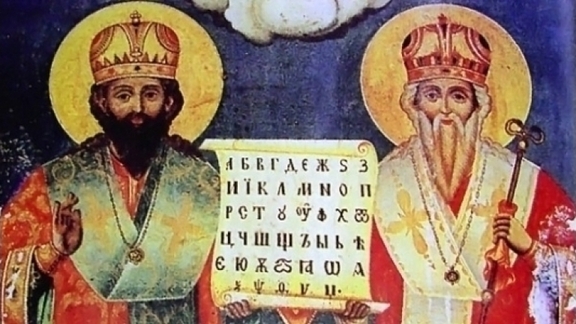
     The birth of the holiday, May 24, is the day when every Bulgarian can be proud to be a descendant of a nation occupying a strategic place in the history of Europe. It is a symbol of dignity, tradition and spirituality. May 24, perhaps the brightest, most hidden Bulgarian holiday - the day of letters. The first known to us...

May national holidays

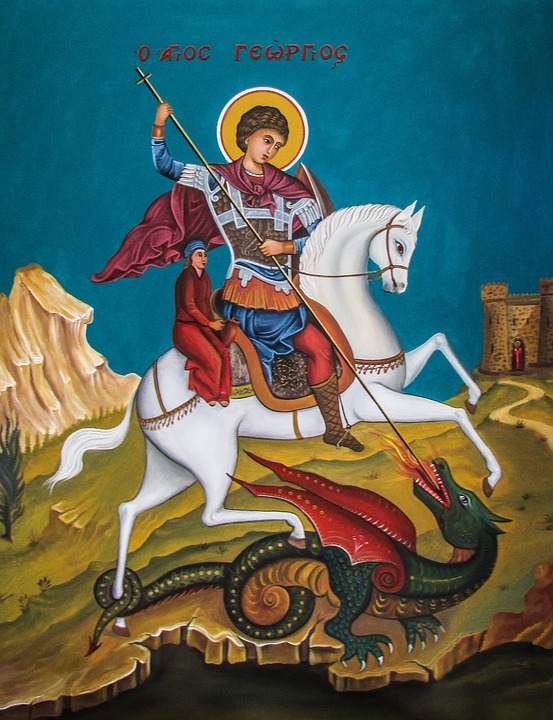
From "Once upon a time - manners and worldview of the Bulgarians" GERGYOV DAY - May 6 The day dedicated to St. George the Victorious is also both a Christian and folk holiday and one of the biggest spring holidays. After this day, the Bulgarian business year and the working season begin. Rich homesteaders hire workers, nomads set off, shepherds from the Rhodopes...

The symbolism in our folk art - animals

From the Once Upon a Time Oracle The Wolf Symbol of nobility and intelligence. In our native folklore, it is rather considered a dangerous enemy that must be propitiated. The people are still in awe of the wolf, which is why the days from February 1 to 3, known as Trifuntsi, are dedicated to him. This name comes from the feast of St. Trifon's Day. …

Symbolism in our folk art - Samodivata

According to the Oracle of Once Upon a Time, the Fairy or Faerie is a beautiful female creature who lives in the woods. They have human form but superhuman abilities. They live in high mountain places, near clear springs or lakes. Self-divers come out in the summertime. Under their arms they have light wings, with the help of which they fly. The songs bear women's names. …

EASTER – the Sunday after the first full moon after the vernal equinox

According to "Once upon a time - manners and worldview of the Bulgarians", Easter or Resurrection is the biggest holiday for Orthodox Christians, while Catholics celebrate Christmas more. The historical events related to the Resurrection took place in the days surrounding the Jewish holiday of Passover. Passover is a moving holiday related to the cycles of the moon, so Easter also has a variable date. …

CVETNITSA - the Sunday after Lazarov's Day

From "Once upon a time - manners and worldview of the Bulgarians" According to the Christian tradition, on this day Jesus Christ solemnly enters Jerusalem, before the Jewish Passover. According to the Gospels, Christ and his disciple John entered the city on a donkey. The believers welcome him as the Messiah, spreading olive branches on their clothes before him. Today, the priests celebrate mass and consecrate...

Tales from the Four Broomsticks Bar - The Walk - Part 2

author: Delta Walk - part 2 And indeed. The two witches had entered deep into the forest. They didn't know how they had pushed themselves into the thick thickets and wondered how they got here. There was no way. Not even a path. Just a bush. The playing field wasn't even level. On one side of them was a steep ravine. On their other side the slope was…

Tales from the Four Broomsticks Bar - The Walk - Part 1

author: Delta Walk - part 1 Awwww...sneezed Del and startled her friends. – Del??? – all three addressed an unfinished question to the kihilata. They were amazed. He is even so quick to catch a cold...strange. "It's not from Heck," Del replied, sniffling. Heck finally freed himself from the covers and the four went downstairs...

TODOROVDEN - the first Saturday of the Easter fasts

From "Once upon a time - manners and worldview of the Bulgarians" This holiday is also known as Horse Easter because the main rites are in honor of horses. "When you're on a horse, you're both sitting and walking" - the villagers used to joke. Since ancient times, the horse has been an integral part of Bulgarian life. The proto-Bulgarians...